The Lenten Season

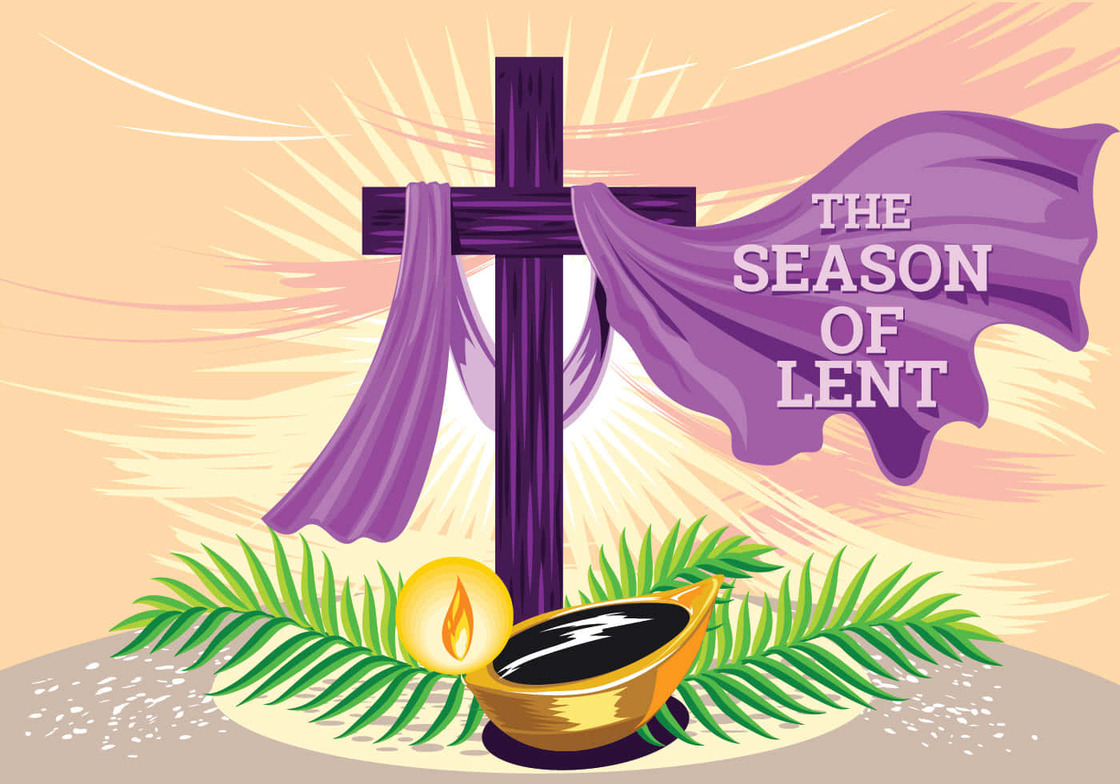
The Lenten Season: The season of Lent may not be the longest season of the Church Year, but it is among the most ancient and theologically significant. From the earliest centuries of the Christian church, Lent has been observed as a sacred period of preparation—marked by repentance, self-examination, and growth in faith—as believers ready themselves for the celebration of Easter. Historically, Lent is the season when the Church turns its full attention to the passion and death of Jesus Christ. It begins with a solemn call to repentance on Ash Wednesday and moves steadily toward the depth of sorrow and tragedy remembered on Good Friday. The word Lent itself does not originate in theology but in history. It comes from the Old English (Anglo-Saxon) word Lencten or Lenchthen, meaning “the lengthening of the days,” reflecting the seasonal shift toward spring. Even linguistically, Lent carries with it the sense of transition—from darkness toward light, from death toward life. The Date and Length of Lent: Lent begins forty-six days before Easter, though it is commonly referred to as a forty-day season. The additional six days are Sundays, which have historically been excluded from the penitential count, as each Sunday is understood as a “little Easter,” a weekly celebration of the Resurrection. The date of Lent depends entirely on the date of Easter. In the year 325 A.D., the Council of Nicaea determined that Easter would be celebrated on the first Sunday following the full moon occurring on or after March 21. This ancient ecclesial decision continues to shape the rhythm of the Christian calendar to this day. Ash Wednesday: Ash Wednesday marks the beginning of Lent (February 18, 2026). The term Ash Wednesday was formally introduced by Pope Urban II in 1099. Prior to that time, the day was known simply as The Beginning of the Fast. From its earliest observance, the day was set apart as a communal call to repentance and humility. Ashes have long served as a biblical symbol of repentance, mourning, and human frailty. Historically, priests would sprinkle ashes on the heads of the faithful while saying the ancient words: “Remember that you are dust, and to dust you shall return.” The ashes themselves were traditionally made by burning the palm branches from the previous year’s Palm Sunday—a powerful reminder of how praise can quickly turn to suffering. This practice continues today among Roman Catholics and many Protestant traditions, where worshipers receive ashes on the forehead as a visible sign of repentance. Some Protestant groups abandoned the practice, concerned that it might contradict Jesus’ teaching in Matthew 6:16–21, where he warns against outward displays of piety meant to be seen by others. Yet even this debate reflects the historic seriousness with which the Church has wrestled over the meaning and purpose of repentance. Shrove Tuesday: The day before Ash Wednesday is known as Shrove Tuesday. The word shrove comes from the act of “shriving,” or confessing one’s sins in preparation for Lent. Historically, it was both a spiritual and practical day—a final opportunity for confession, followed by feasting. Across cultures, Shrove Tuesday took on festive expressions. In France, it became Mardi Gras (“Fat Tuesday”). In Germany, it was known as Fasching or Fasch Nacht. Families used up rich foods—especially fats—that would be forbidden during Lent. Germans famously made doughnuts, while the English turned to pancakes. These customs remind us that Lent was never meant to be entered casually; it was approached intentionally, with both discipline and joy. Friends, every day is a gift from God. May this historic season of Lent help each of you prepare your hearts to receive a deeper understanding of the riches God has given us—through His Word, through the Church, through one another, and through the power of the Holy Spirit. May the peace of God renew your spirit this day and always. I look forward to seeing you Sunday in worship.
Blessings from Pottsboro, Pastor Frank (alegria@lakewayumc.org)