A Testimony of Thanksgiving

A Testimony of Thanksgiving
"O come, let us sing to the LORD; let us make a joyful noise to the rock of our salvation! Let us come into his presence with thanksgiving; let us make a joyful noise to him with songs of praise!" (Psalm 95:1-2)
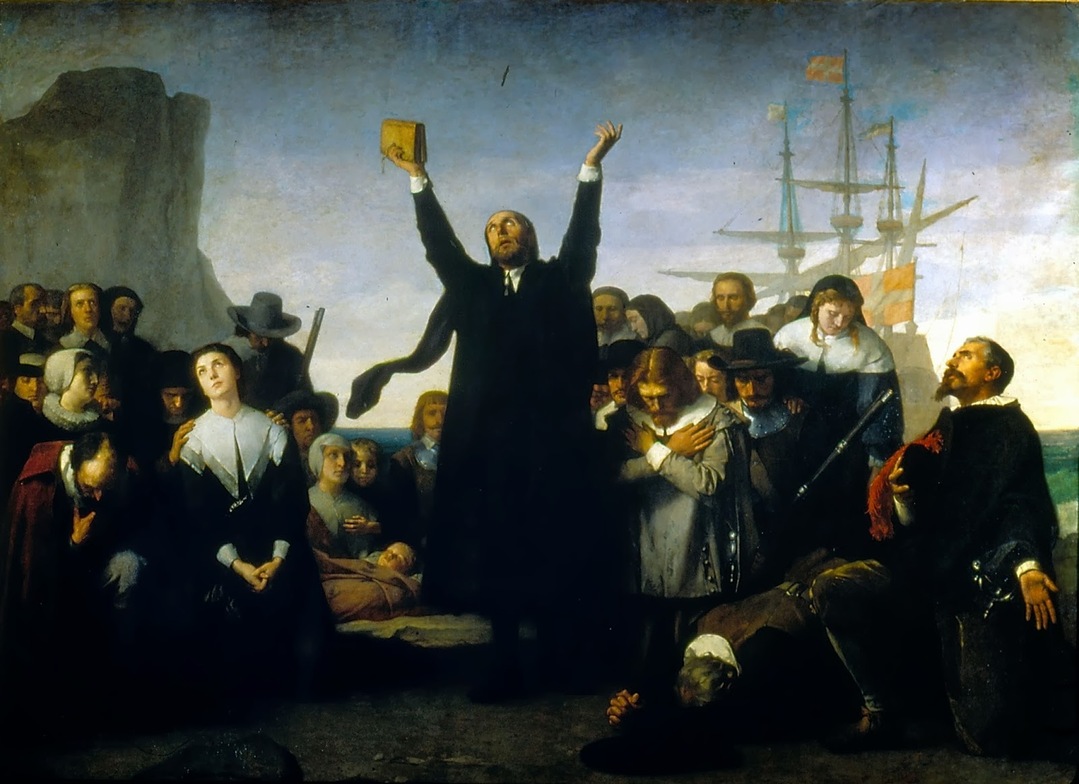
The first settlers in America landed in Massachusetts in December 1620. Within one month, ten of the seventeen fathers and husbands aboard the Mayflower had died. Within a few months, only four of the seventeen wives and mothers remained alive. By Easter, nearly half of the Pilgrims had perished. They arrived in the middle of winter with few provisions, little shelter, and no certainty about their future. Yet in 1621, they gathered to celebrate and give thanks to God. Their circumstances were difficult beyond measure, yet gratitude remained.
On another continent, about twenty-five years later, a Lutheran pastor named Martin Rinkart lived in Eilenberg, Saxony, during the horrors of the Thirty Years' War. The city was under siege. Hundreds of homes were destroyed. Plague and starvation swept through the population.
The suffering became so severe that pastors were burying twelve people a day. One by one, those pastors died until Rinkart was the only pastor left. He eventually conducted as many as fifty funerals a day and buried more than 5,000 people, including his own wife.
When peace finally came in 1648, he sat down and wrote these words:
Now thank we all our God,
with heart and hands and voices,
who wondrous things has done,
in whom this world rejoices;
who from our mothers' arms
has blessed us on our way
with countless gifts of love,
and still is ours today.
Here was a man who had witnessed suffering beyond what most of us can imagine, yet he knelt before God in gratitude and led others to do the same.
When I first came across this story, I was taken aback by the hardships people endured in order to follow what they believed God was calling them to do. There was a price to crossing the Atlantic and settling in a new land. There was a price in lives lost, fortunes spent, and faith tested. Yet those who survived gathered to give thanks.
Likewise, the pastor who buried thousands did not write a song of bitterness. He wrote a hymn of thanksgiving that the Church still sings today.
Why? Because their story was ultimately not about themselves. It was about God.
firmly believe that our lives are meant to be a continual testimony of thanksgiving. We have known joys and sorrows, victories and disappointments, blessings and burdens. Through it all, God has remained faithful.
So let us enter this day as the psalmist invites us—with joy and thanksgiving. And may our gifts, our service, and our lives become a living testimony to the goodness of God.
Shalom-Paz-Peace.